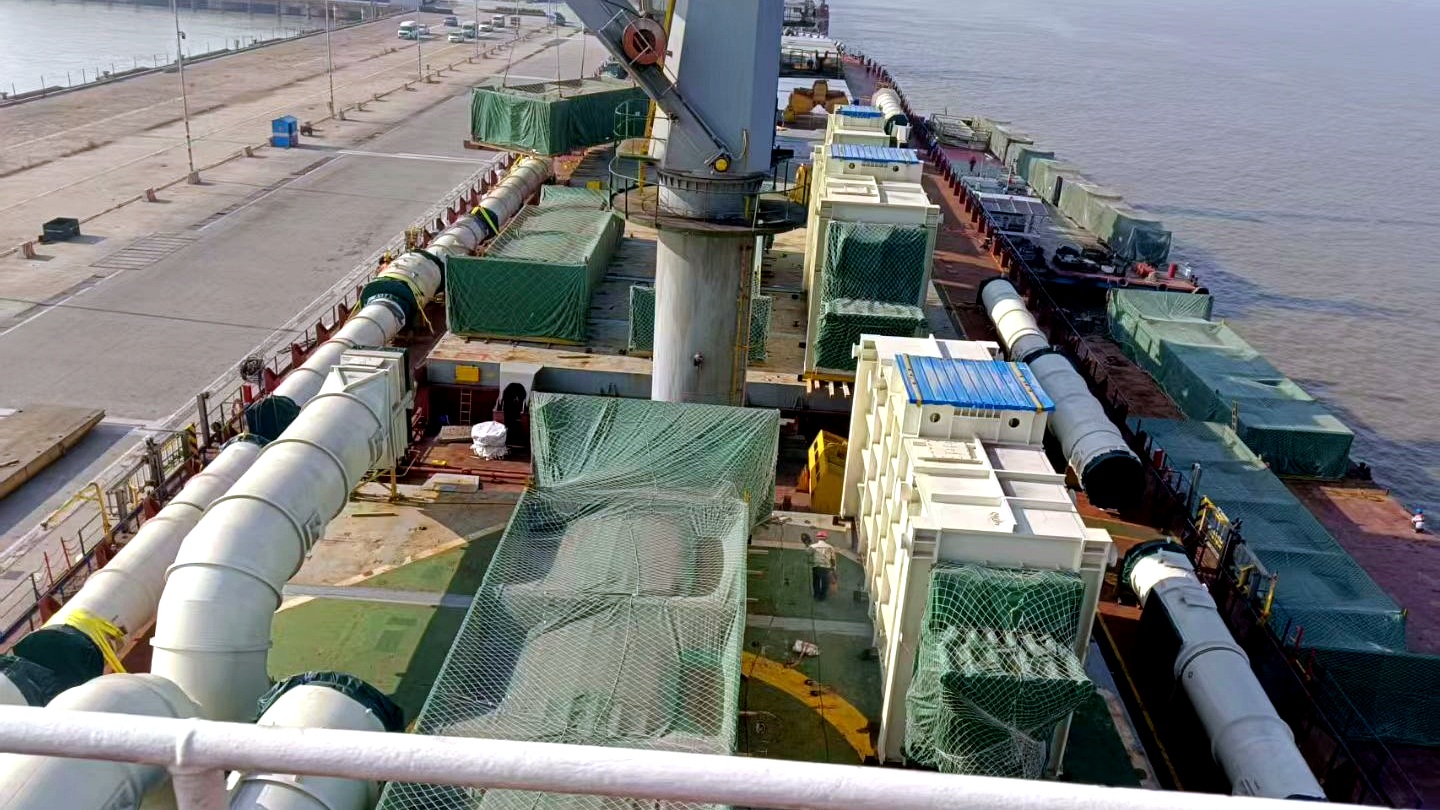
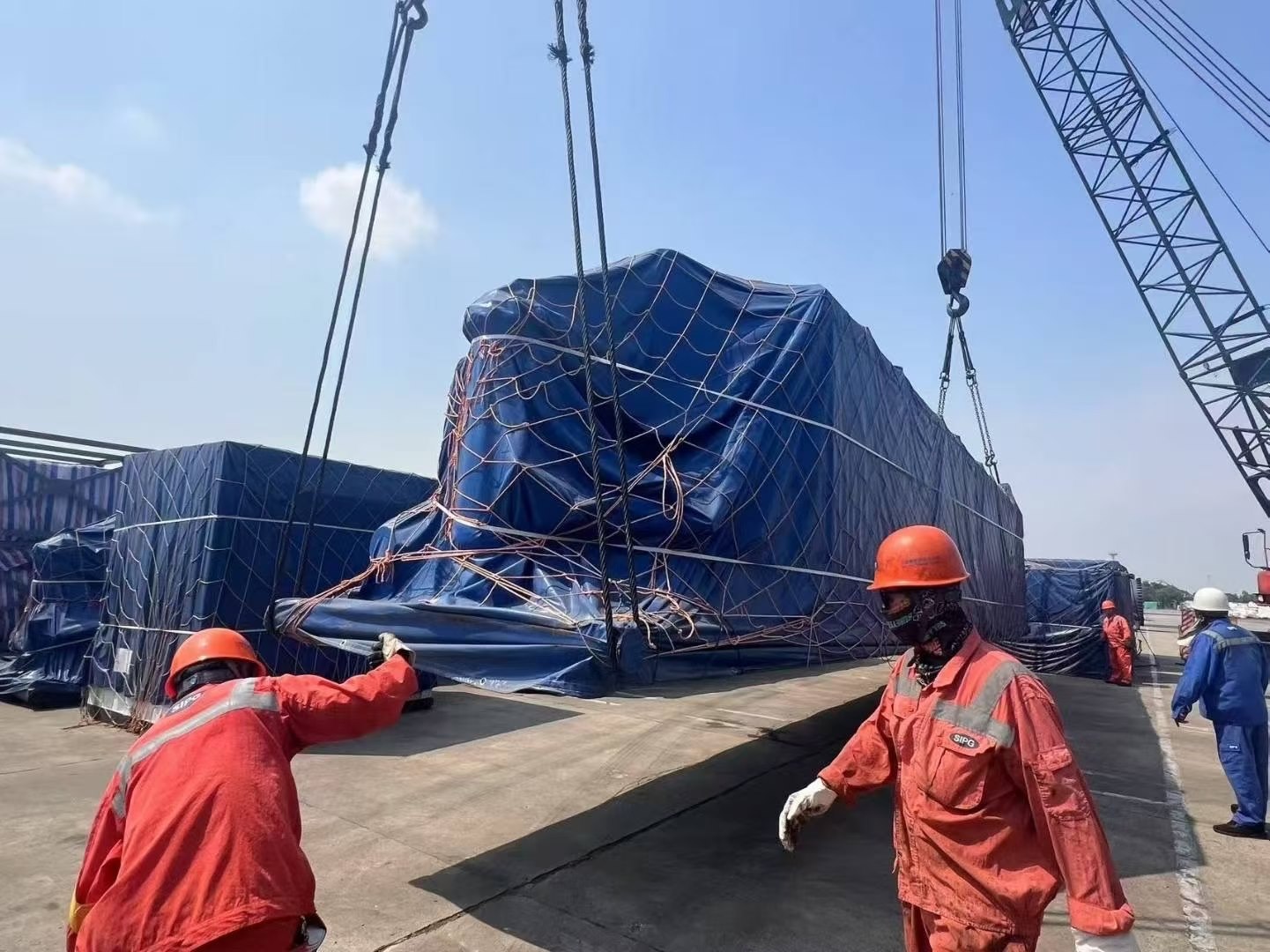
Two breakbulk quotations can both say “all-in” and still cover different costs.
For a shipper, the key questions are simple:
Where does the cost start? Where does it end? What may still change?
A clear quotation normally separates three things:
- what is included;
- what is excluded;
- what depends on the final cargo or operating conditions.
What is included?
Depending on the agreed terms, the included scope may cover ocean freight, loading and stevedoring at the origin port, tallying, terminal coordination, lashing and securing, export customs clearance, and documentation such as B/L issuance or telex release.
The exact scope depends on the written terms. FIO and FLT do not always create the same cost boundary in every trade.
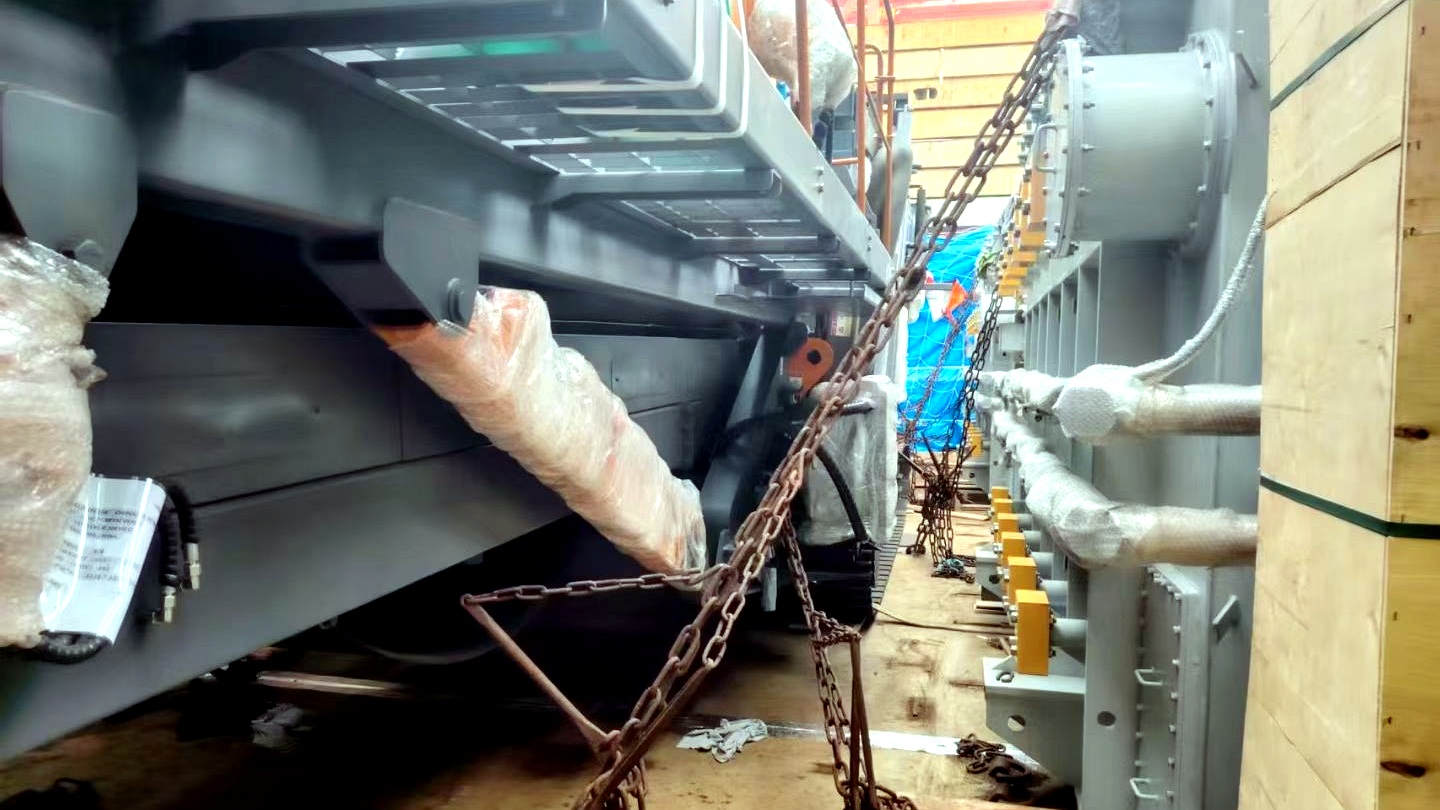
Even under FLT, confirm whether lashing, securing, dunnage and tallying are included. If the vessel’s rate already covers an item, it should not be charged again to the shipper.
What is excluded?
An origin-based China quotation does not automatically include every destination-side cost.
Unless stated otherwise, discharge at the destination port, destination terminal handling, import customs clearance, destination storage, inland delivery, local taxes and duties, and special lifting or delivery arrangements may remain outside the quoted scope.
Under FIO terms, discharge is commonly for the receiver’s account. The quotation should say this directly, rather than leaving the customer to interpret the word “all-in”.
What can change the price?
Some costs cannot be fixed until the cargo and vessel details are confirmed.
The price may need to be reviewed if final dimensions or weights change, the number of pieces changes, special lifting or securing is required, the loading port or laycan changes, free storage time is exceeded, or port congestion, waiting or drifting charges arise.
These are not necessarily hidden charges. They are conditional costs linked to the actual operation. The important point is to identify them before booking.
How is the ocean freight calculated?
Breakbulk freight may be calculated by RT, W/M or as a shipment lump sum.
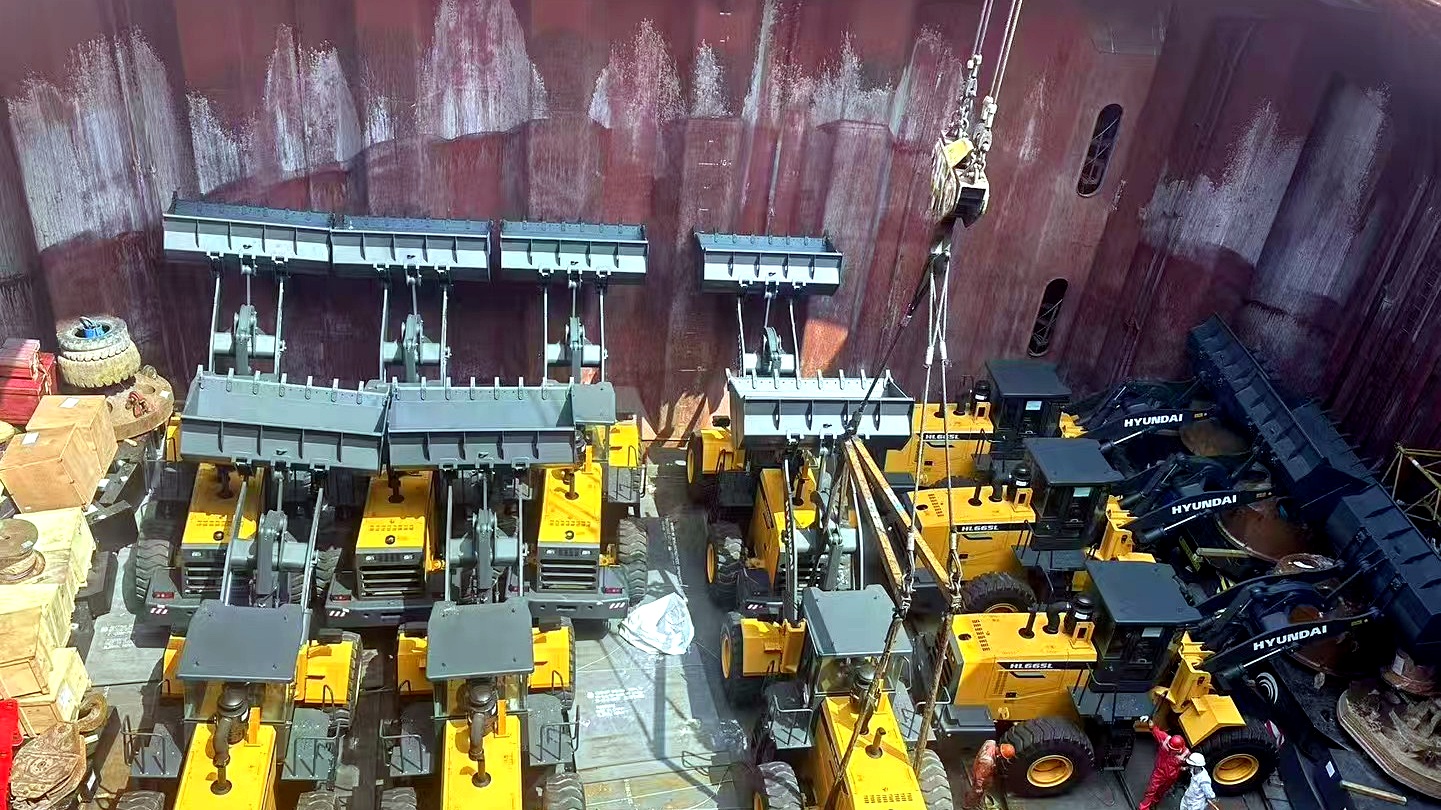
W/M means weight or measurement, whichever is higher. For breakbulk cargo, this comparison is made piece by piece: the weight ton and the measurement ton of each individual piece are compared, the higher figure is selected for that piece, and the selected figures are then added together for the shipment total.
It is not normally calculated by adding the total weight of all pieces and the total volume of all pieces first, then taking one higher number for the whole shipment.
One machine may therefore contribute a weight ton while another contributes a measurement ton. The quotation should show the rate, charging basis, chargeable quantity, ports, freight terms and validity period.
How should two “all-in” quotations be compared?
Before comparing two offers, check whether they use the same piece-by-piece W/M calculation, FIO or FLT basis, loading and lashing scope, customs and documentation scope, destination discharge responsibility, treatment of actual port charges, and laycan and validity period.
If these conditions are different, the two “all-in” prices are not genuinely comparable.
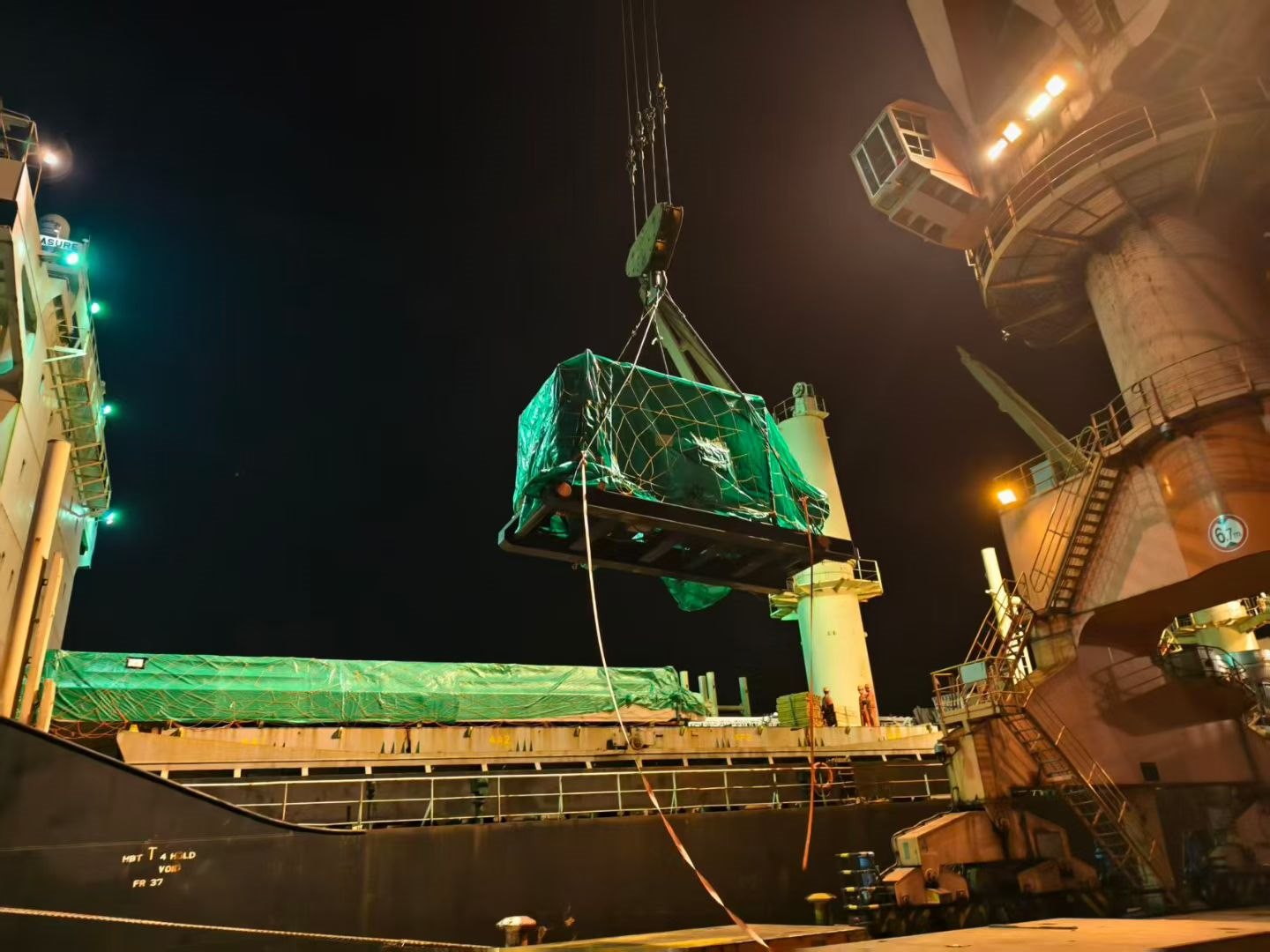
The conclusion
“All-in” is not a guarantee that every cost from factory to final delivery is included.
It is useful only when the quotation makes the boundary clear: what has been included, what has been left out, and what may change when the actual cargo or port conditions are confirmed.
A reliable China-origin breakbulk quotation should be based on complete cargo details, a clear charging method and written confirmation from the relevant vessel or operating party.
The value of an all-in quotation is not simply a lower headline rate. It is a cost boundary that the shipper can understand before the cargo reaches the port.