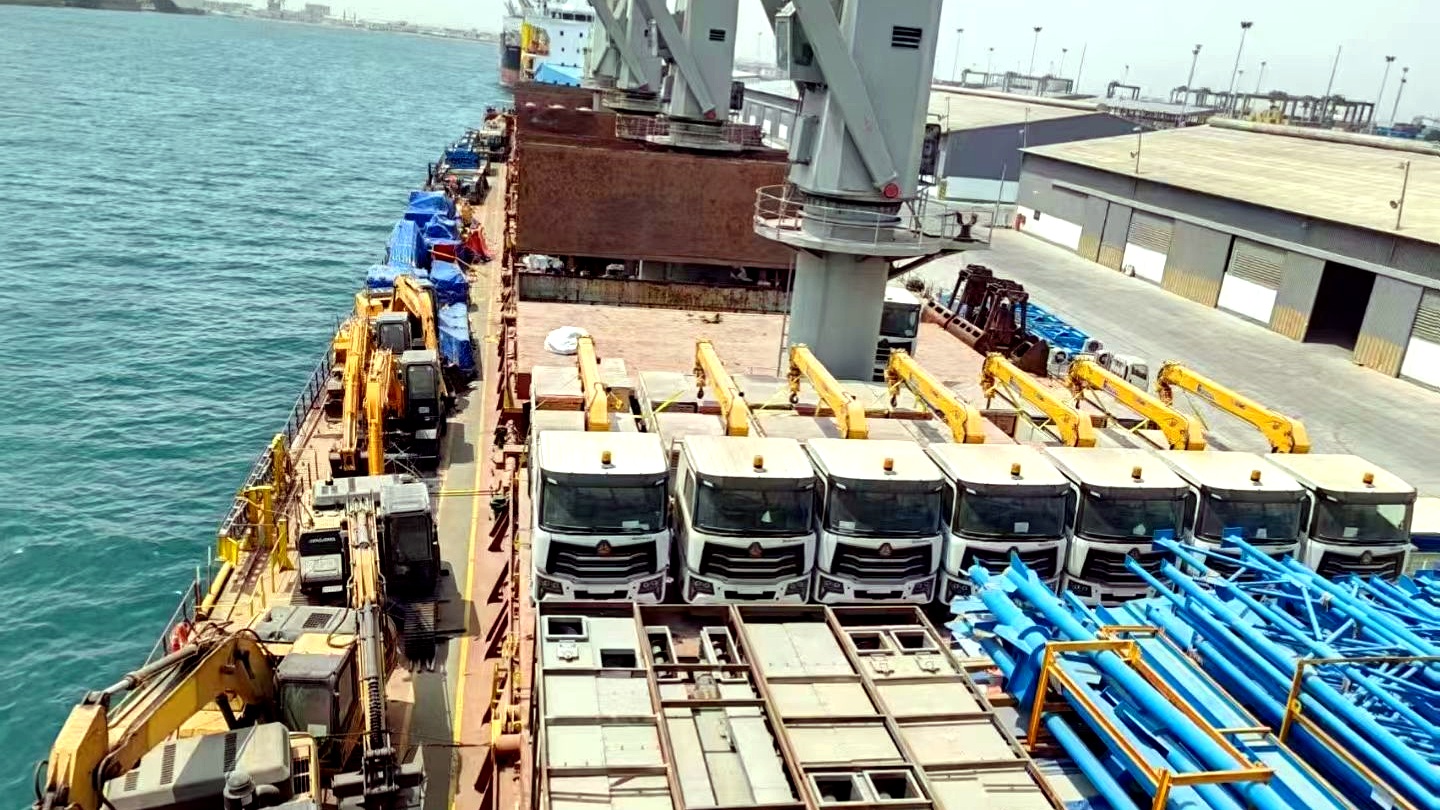
Many breakbulk inquiries begin with one question:
What is the ocean freight?
That number matters. But it does not describe the whole shipment.
Before the cargo reaches the vessel, it still has to be collected, moved to the port, received, lifted, loaded and secured. If the China-side scope is unclear, a low freight rate may still lead to a difficult operation.
The problem often starts at origin.
The cargo on paper may not be the cargo at the port
A quotation usually begins with dimensions, weight and a cargo description.
But the cargo that reaches the port may be different.
The final packing may add height or width. Lifting points may be covered. What works inside the factory may not work at the port.
These details can affect:
- loading method;
- lashing arrangement;
- port handling;
- trucking;
- vessel acceptance;
- total cost.
For breakbulk cargo, the final packed unit matters more than the product description alone.
Port handling is part of the shipment
Breakbulk cargo does not follow one standard handling process.
Depending on the cargo, the origin port may require:
- crane handling;
- special lifting arrangements;
- lashing materials;
- temporary storage;
- additional documents;
- coordination with the terminal or vessel team.
If these items are not checked early, the freight quote may look clear while the actual cost remains open.
A workable quotation should define the scope around the ocean freight, including the origin port work, inland movement, lifting, loading and securing.
Not every shipment needs the same services.
But every shipment needs clear boundaries.
A sailing does not guarantee acceptance
A vessel may have space, but that does not automatically mean it can accept the cargo.
The carrier may still need:
- final packed dimensions;
- gross weight per piece;
- cargo photos or drawings;
- lifting points;
- packing method;
- center of gravity;
- stowage or securing requirements.
For heavy or irregular cargo, these are not formalities. They determine whether the cargo can be loaded safely.
Until the actual cargo condition has been reviewed, the freight rate is only a starting point.
Factory-ready is not port-ready
A factory may say the cargo will be ready on a certain date.
That does not mean it is ready for loading.
The shipment may still require inland transport, port entry, terminal receiving, customs documents, loading confirmation and vessel coordination.
For breakbulk cargo, a more useful question is:
When can the cargo be ready for loading at the port?
That date often matters more than the factory-ready date.
What to send for a first check
Start with the cargo basics: description, quantity, final packed dimensions, gross weight per piece, photos or drawings, pickup location, ports and cargo-ready date. Our inquiry checklist lists the full set.
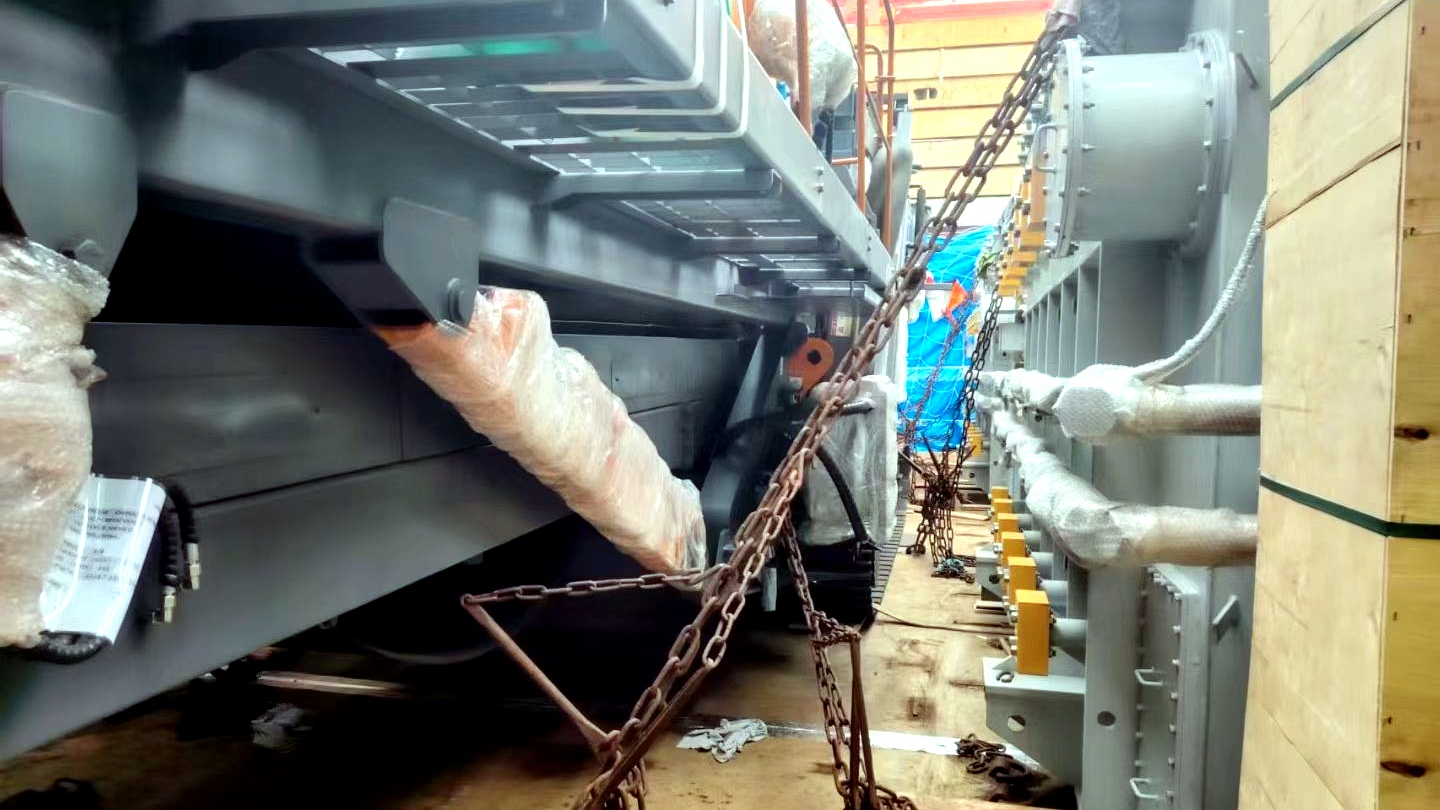
With this information, the China-side team can review the shipment as an operation, not just as a freight request.
Ocean freight is important.
But a workable breakbulk shipment also depends on how the cargo is moved, received, loaded and secured before the voyage begins.