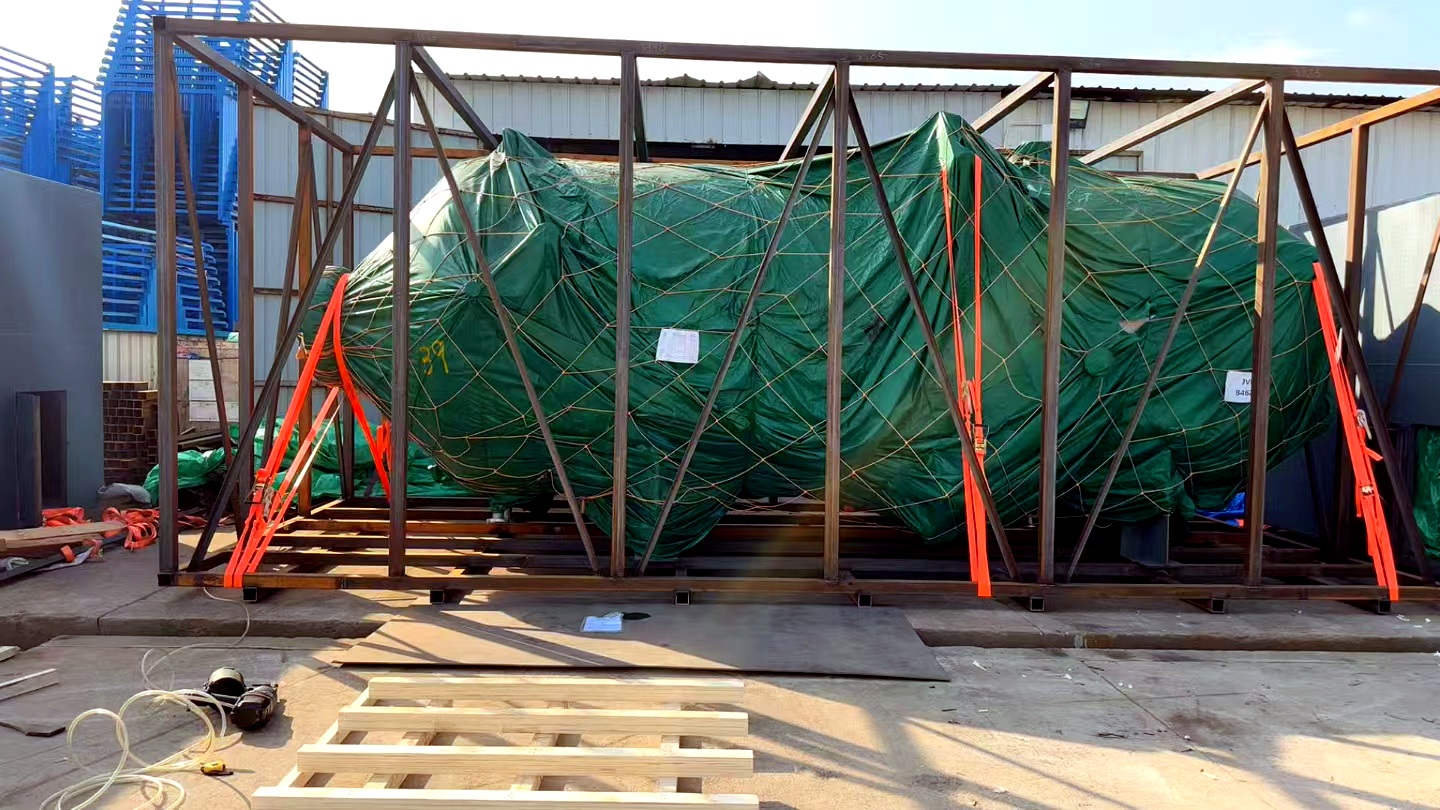
Packaging is often treated as something to finish after production.
For breakbulk cargo, that is usually too late.
A packaging decision can change the transport dimensions, lifting method, port handling requirement, lashing arrangement and sometimes even the vessel option itself. By the time the cargo is ready, the shipment may already be locked into a more expensive or more difficult plan.
The problem does not always start at the port. Quite often, it starts much earlier, when the cargo is still inside the factory.
Packaging defines the cargo we actually ship
In breakbulk work, we do not move a product in theory. We move the actual shipping unit.
That unit includes:
- the equipment body;
- the base frame or skid;
- wooden cases or steel supports;
- lifting points;
- protection material;
- any parts fixed outside the main body.
A machine that looks manageable during production can become a very different shipment after packing. A few extra centimeters of height or width may affect trucking, port entry, lifting, stowage or lashing.
That is why packaging is not just protection. It is part of the transport design.
Small changes can create large consequences
Sometimes the issue is not that the cargo is too big. The issue is that no one checked the transport consequence before the packing method was finalized.
For example, a base frame may be designed for factory handling, but not for vessel stowage. A wooden case may protect the cargo well, but make the lifting points unclear. Additional support may improve safety, but push the package beyond a practical transport size.
None of these decisions is wrong by itself.
The risk comes when packaging is completed before the shipment plan has been checked.
The useful question is not only whether the cargo is protected
Protection matters. But for breakbulk cargo, a better question is:
Can this packed cargo still be moved, lifted, loaded and secured in a practical way?
That question connects factory work with China-side execution.
Before packaging is finalized, it is useful to check:
- final packed dimensions and gross weight;
- lifting points and center of gravity;
- whether the cargo can be safely handled by crane or forklift;
- whether the base frame allows proper support and securing;
- whether the package changes the vessel, port or loading requirement;
- whether photos or drawings clearly show the packed shipping unit.
These are not paperwork details. They decide whether a quotation is only a number, or a plan that can actually be executed.
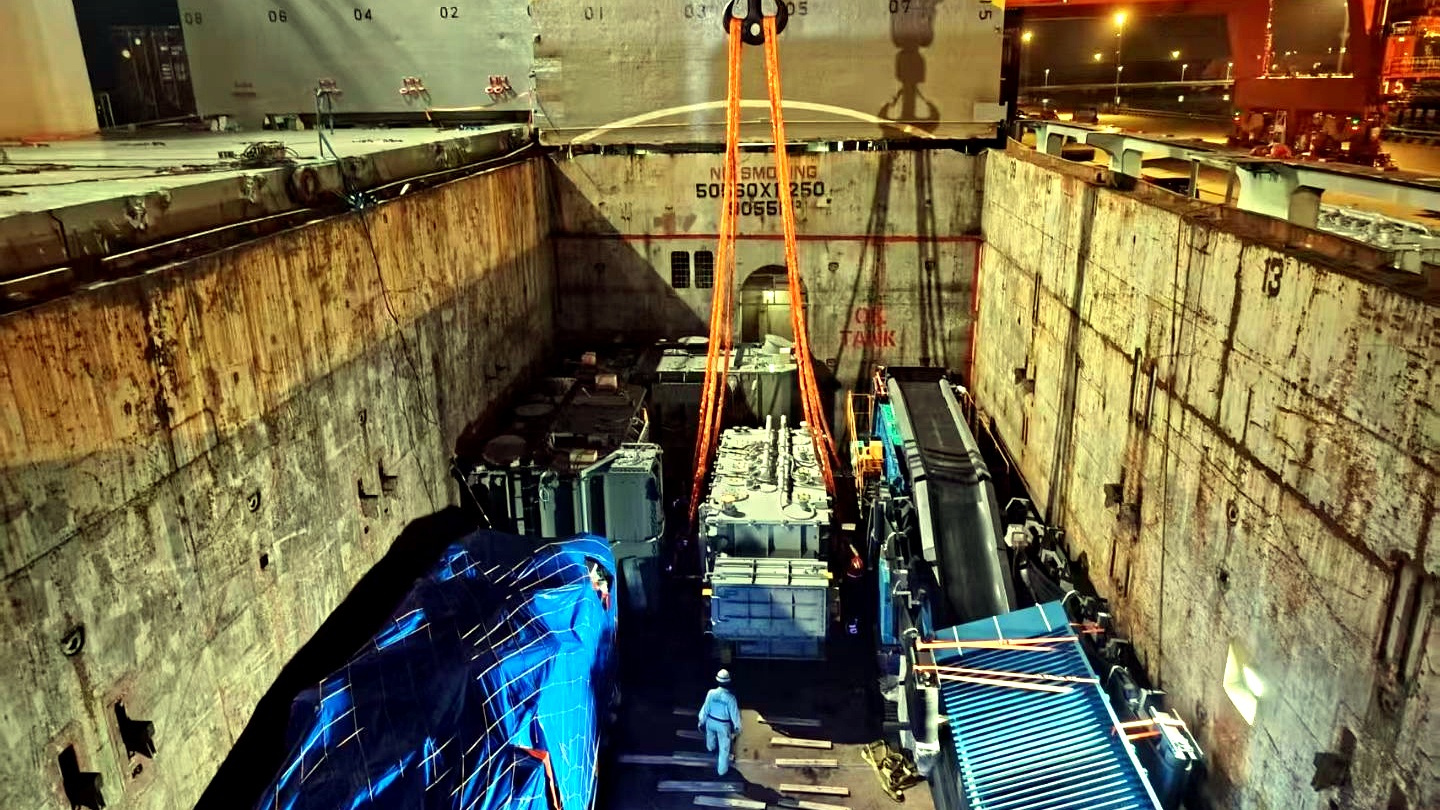
Late packaging changes usually cost more than early checking
When packaging is reviewed early, there is still room to adjust.
When packaging problems are found after cargo readiness, every change becomes harder. The factory may need to reopen or reinforce the package. The sailing window may no longer fit. Port handling or lashing may need to be rechecked. The original cost scope may no longer apply.
This is why many shipment risks are decided before the cargo ever reaches the port.
A practical breakbulk plan should not wait until the cargo is finished. It should start when the shipping unit is still possible to define.
What to prepare before asking for a breakbulk plan
Start with the packed shipping unit: description, quantity, final packed dimensions, gross weight per piece, packing method, lifting points and photos or drawings. Add the pickup location, ports and cargo-ready date. Our inquiry checklist lists the full set.
With these details, the China-side team can check whether the planned packaging, handling method, sailing option and cost boundary are aligned before the shipment moves forward.
Packaging should not be the last thing logistics discovers.
For breakbulk cargo, it is often one of the first things that decides whether the shipment can be executed clearly.